

Embracing outdoor activities in September can be a wonderful way for you as a senior to maintain your physical health and mental well-being. As we near the end of warm summer days, there are still opportunities to engage in gentle exercises and connect socially, all while enjoying the fresh air and natural surroundings. Choosing the right activities ensures safety and comfort even during the heat, making the most out of this vibrant month.
Gardening: A Therapeutic and Gentle Exercise
Gardening offers a chance to move gently while engaging your fine motor skills through planting, watering, and tending to flowers or vegetables. This activity encourages you to spend time outside, soaking in vitamin D and feeling the calming presence of nature. It can bring a sense of accomplishment as you watch your plants grow and flourish. The repetitive and mindful tasks involved also promote relaxation and reduce stress. You can adjust gardening to your mobility, using raised beds or container gardens to avoid bending too much.
The pace of gardening makes it an excellent low-impact exercise, helping maintain strength and flexibility without overexerting yourself. Handling tools and soil works your hands and wrists, which is beneficial for dexterity. Being outdoors while gardening also delivers fresh air, which supports respiratory health. Additionally, the mental engagement involved keeps your mind active and focused, which is important for cognitive health. Many seniors find that gardening enhances emotional balance and reduces feelings of loneliness.
You don’t need expensive equipment or a large yard to enjoy gardening. Even a small balcony or windowsill can become a green space with pots of herbs or flowers. Joining a community garden can add social interaction to the physical benefits. Gardening groups often share tips and plants, creating opportunities to meet others with similar interests. This combination of physical movement, mental focus, and social connection makes gardening a well-rounded senior-friendly outdoor activity.
Walking Clubs: Combining Exercise and Social Connection
Joining a walking club can provide both motivation and companionship while helping you maintain an active lifestyle. Walking is a straightforward, accessible way to improve cardiovascular health and build endurance. Clubs often accommodate different fitness levels, allowing you to walk at your own pace and gradually increase distance. Having a regular schedule encourages consistency, which is key for long-term physical benefits. Also, being part of a group can make walking feel more enjoyable and less like a chore.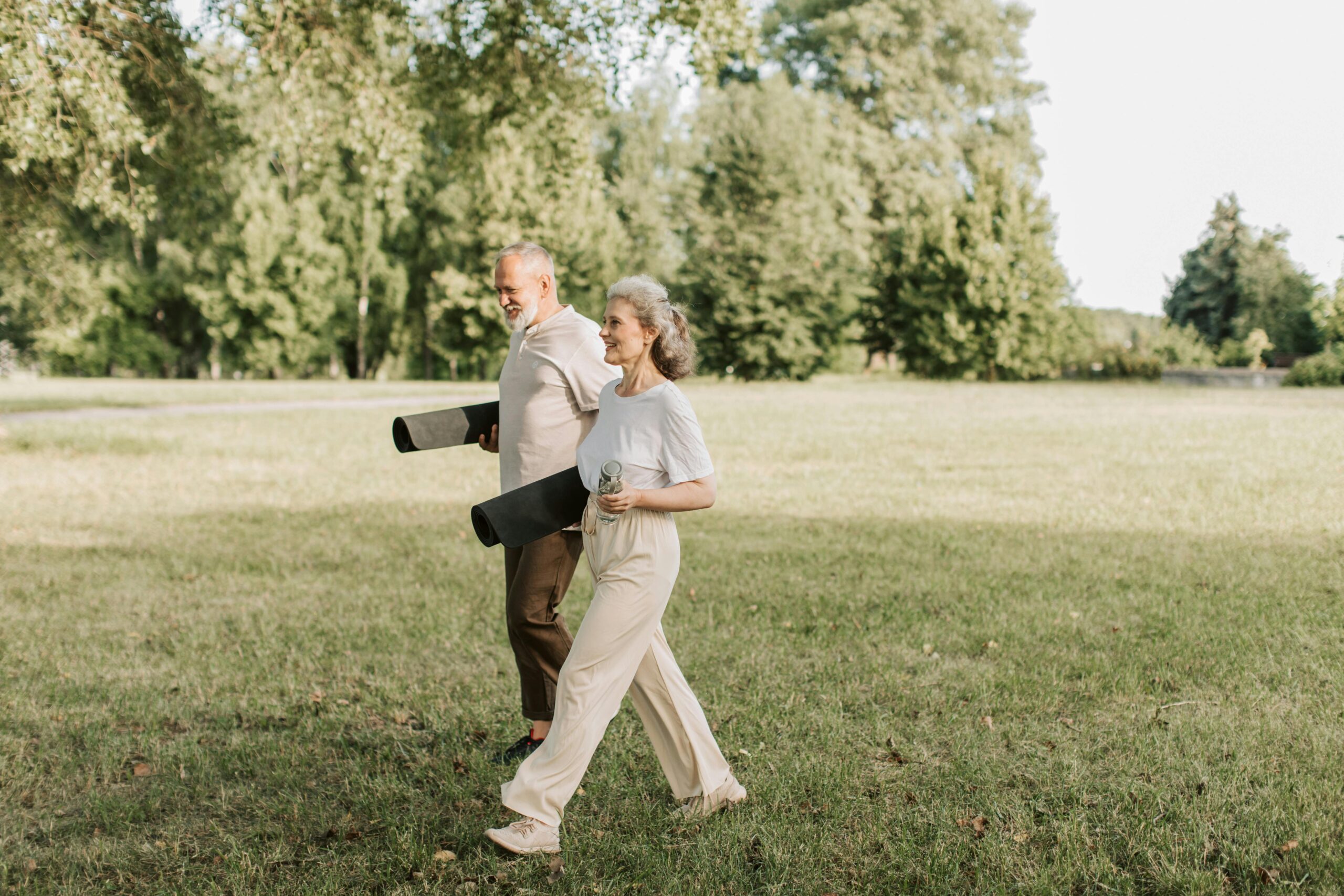
Social interaction is a significant advantage of walking clubs, reducing feelings of isolation that sometimes affect seniors. Sharing stories, supporting each other, and celebrating small achievements contribute positively to your mental health. Group walks can also introduce you to new routes and local parks, making exercise feel like an adventure. These connections foster a sense of community and belonging, which are important factors in emotional well-being. You may find that the friendships developed in a walking club enrich your daily life beyond the exercise itself.
Safety and convenience are important considerations when participating in walking clubs. Early morning or late evening walks help you avoid the peak heat of the day. As temperatures cool, you can go out midday to enjoy some sunshine. Wearing comfortable shoes and lightweight clothing protects your feet and helps regulate body temperature. Drinking water before and after your walk combats dehydration, and taking breaks when needed ensures that you don’t overexert yourself. These precautions allow you to enjoy the fresh air and activity safely throughout the summer.
Gentle Swimming or Water Aerobics: Low-Impact Full-Body Workouts
Swimming and water aerobics offer excellent low-impact exercise options that are gentle on your joints and muscles. The buoyancy of water supports your body weight, reducing stress on hips, knees, and spine while allowing you to move freely. This makes swimming ideal for seniors managing arthritis or joint pain. The resistance provided by water helps strengthen muscles and improve cardiovascular health without harsh impact. Plus, being in the water keeps you cool, which is especially refreshing during hot days.
Water-based activities also promote flexibility and balance, reducing the risk of falls. You can customize the intensity of your workout, whether it’s gentle laps or participating in an organized water aerobics class. Many community pools offer senior-friendly classes designed for all mobility levels, enhancing both physical fitness and social interaction. Sharing these experiences with others builds community and encourages adherence to regular exercise habits. The combination of exercise, social contact, and cooling effects makes water activities a highly beneficial summer option.
Choosing pools with shallow areas, accessible entry points, and shaded spaces improves comfort and safety. Schedule swim times for cooler parts of the day and keep a water bottle nearby to stay hydrated. Using sunscreen and wearing hats while poolside protect your skin from excessive sun exposure. If swimming outdoors, ensure the water quality is good and lifeguards are on duty for added security. By taking these sensible precautions, you’ll be able to enjoy swimming or water aerobics confidently.
Safety and Hydration: Essential for Enjoying Hot Days Outdoors
Maintaining safety and proper hydration during outdoor activities is crucial to your well-being. The lingering summer heat can pose risks like dehydration and heat exhaustion, especially for older adults. Plan your outdoor time during early mornings or late afternoons when temperatures are milder. Avoiding midday sun reduces the chance of heat-related illnesses and sunburn. Wearing lightweight, breathable fabrics and a wide-brimmed hat protects your skin and helps regulate body temperature.
Hydration plays a vital role in keeping you comfortable and healthy while outdoors. Drink water regularly before, during, and after activities, even if you don’t feel thirsty. Including hydrating foods like melons, cucumbers, and citrus fruits in your diet supports fluid balance. Recognize signs of dehydration such as dizziness, headache, or dry mouth and take breaks indoors if needed. If weather conditions are extreme, consider moving activities indoors or rescheduling for a cooler day.
Don’t hesitate to involve family, friends, or caregivers in your outdoor plans to ensure assistance is available if necessary. Carrying a cell phone or emergency alert device adds a layer of security during activities. Keeping track of your energy levels and responding to how your body feels promotes a safer exercise routine. By combining hydration, sensible timing, and protective clothing, you can enjoy outdoor activities while minimizing risks related to summer heat.
Staying active helps you maintain your strength, flexibility, and cardiovascular health while boosting your mood and social connections. Whether you choose gardening, walking clubs, gentle swimming, or another senior-friendly outdoor activity, following safety tips keeps your experience enjoyable and risk-free. Taking these steps supports your independence and overall well-being as you engage with nature and community. Consider reaching out to local groups or resources to explore options tailored to your interests and abilities.