
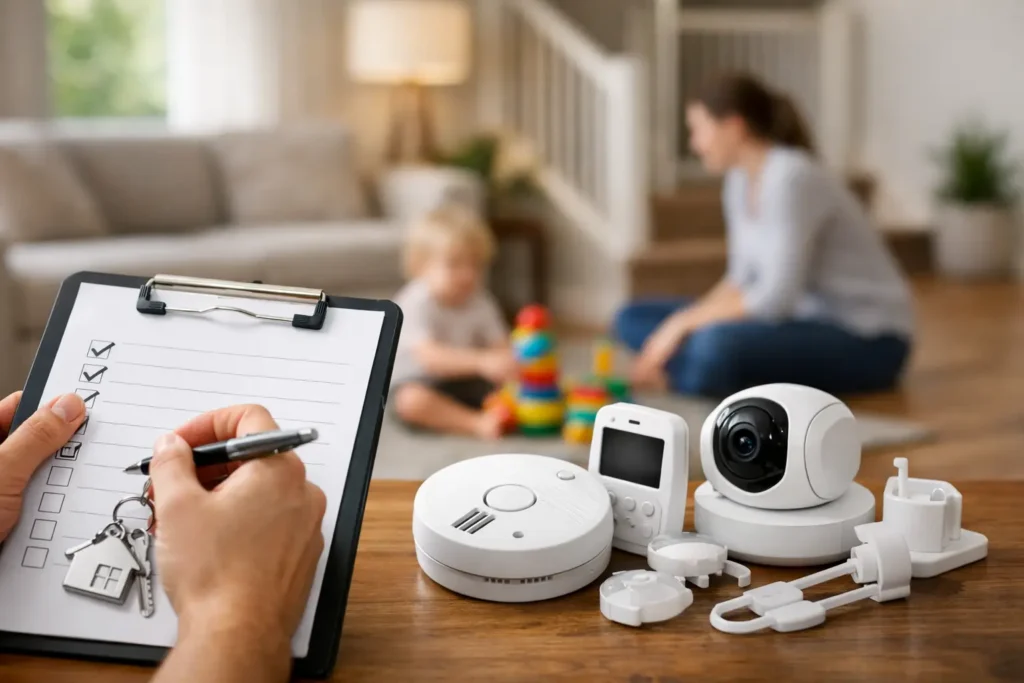
A throw rug that curls at the corner. A dim hallway between the bedroom and bathroom. A pill bottle with yesterday’s dose still sitting on the kitchen counter. For many families, a home safety assessment checklist starts with little details like these – and with the quiet worry that home may no longer be as safe as it once felt.
If you’re helping an older parent, a spouse with chronic illness, or a loved one recovering after a hospital stay, you’re not overreacting by looking closely at the home environment. Small hazards often become major problems when mobility changes, memory slips, medication routines get complicated, or fatigue sets in. The goal is not to make a home feel clinical. It is to make daily life safer, easier, and more sustainable.
What a home safety assessment checklist should actually cover
A useful home safety assessment checklist goes beyond obvious trip hazards. Families often focus on grab bars and forget to ask whether the person can prepare meals safely, get to the bathroom in time, manage medications correctly, or respond in an emergency. True home safety includes physical safety, but it also includes function, judgment, endurance, and support.
That is why a thoughtful assessment looks at how your loved one moves through the day. Can they get out of bed steadily? Do they need to use furniture for support when walking? Are they skipping stairs because they feel unsteady? Has bathing become difficult, even if they do not want to admit it? These questions matter because safety problems are rarely isolated. A bathroom fall may connect to weak legs, poor lighting, rushing due to incontinence, or side effects from medication.
Start with fall prevention and mobility
Falls are one of the most common reasons families realize more support may be needed. Begin by walking through the home at your loved one’s pace, not your own. What feels manageable to you may feel exhausting or risky to someone with arthritis, neuropathy, dizziness, or post-surgical weakness.
Look closely at pathways. Floors should be clear of cords, clutter, pet toys, and loose rugs. Furniture should allow wide enough walking space for a cane or walker if one is used now – or may be needed soon. Pay attention to thresholds between rooms, uneven flooring, and slippery surfaces in kitchens, bathrooms, and entryways.
Lighting deserves more attention than it usually gets. Many falls happen not because of a major obstacle, but because the person simply could not see well enough to judge depth or spot an object in their path. Bedrooms, hallways, bathrooms, and exterior walkways should all be well lit. Night lighting is especially important for people who wake often or need the bathroom urgently.
Stairs need an honest review. A sturdy handrail on both sides is ideal, and steps should be even, visible, and free of objects. If stairs are becoming difficult, the question is not just how to make them safer. It may be whether daily living should be shifted to one level to reduce repeated risk.
Assess the bathroom with extra care
Bathrooms create a perfect storm of common hazards: water, hard surfaces, urgency, and limited space to move. If there is one room to assess with extra caution, it is this one.
Check whether the toilet is easy to reach and easy to use. A low toilet can be hard for someone with weakness, joint pain, or balance issues. The shower or tub should have stable entry and exit points, non-slip surfaces, and grab bars that are professionally installed rather than suction-based. Towel bars are not a safe substitute.
Also think about privacy and dignity. Some people avoid bathing because they are afraid of falling, embarrassed to ask for help, or simply too tired. When bathing becomes inconsistent, it can signal more than a hygiene issue. It may point to reduced strength, cognitive changes, or a need for personal care support.
Review the kitchen for safety and independence
The kitchen often reveals how well someone is managing at home. Open the refrigerator and pantry. Is food fresh, expired, or mostly untouched? Are there signs that meals are being skipped because standing is hard, fatigue is severe, or preparing food has become confusing?
Check whether commonly used items are within easy reach. Reaching overhead or bending low can increase fall risk. Stove safety matters too. If memory changes are present, the issue may not be cooking skill but forgetting that a burner is on. In some homes, simplified meal prep or added supervision is safer than expecting the person to keep doing everything as before.
Hydration should be part of this review. Dehydration can contribute to dizziness, weakness, confusion, constipation, and hospital visits. If getting water, making tea, or preparing simple meals feels like too much effort, the home setup may need to change.
Don’t overlook medications and medical equipment
Medication problems are one of the most underestimated home safety risks. During your checklist review, ask whether medications are organized clearly, taken at the right times, and understood by the person taking them. Multiple prescribers, recent hospital discharges, and frequent medication changes raise the chances of mistakes.
Watch for duplicate bottles, outdated prescriptions, confusing instructions, or pills stored in several places around the home. If your loved one says, “I take what the doctor told me,” but cannot explain the schedule, that is worth taking seriously. Safety here depends on more than compliance. It depends on whether the system makes sense in real life.
Medical equipment should also fit the person and the space. Walkers should move easily through doorways. Oxygen tubing should not create trip hazards. Bedside commodes, shower chairs, and transfer aids should be stable and appropriate for the user’s size and strength. The best equipment is not always the most advanced. It is the equipment that is used correctly and consistently.
Include cognition, judgment, and daily routines
A home can look safe on the surface and still be unsafe if memory, judgment, or problem-solving have changed. That is why the best home safety assessment checklist includes behavior and routine, not just the physical layout.
Notice whether bills are piling up, appointments are missed, or familiar tasks now seem confusing. Are doors left unlocked? Is food burning on the stove? Does your loved one wander at night, forget to use their walker, or resist help despite clear risks? These situations can be hard for families because they do not fit neatly into a grab-bar solution.
This is where an individualized plan matters. Some people need environmental changes. Others need cueing, supervision, medication support, or a higher level of coordinated care. When cognitive changes are involved, safety planning should be realistic, not based on what the person used to be able to do.
Ask the emergency questions families often miss
Many families assess everyday safety but forget emergency readiness. If your loved one fell today, could they get up or call for help? If there were a power outage, would critical equipment still be usable? Does everyone know the medication list, diagnoses, allergies, and physicians involved in care?
A charged phone within reach, an emergency alert option, visible house numbers, and a clear plan for who responds first can make a real difference. For medically complex patients, it is also wise to ask whether recent changes in condition suggest a need for nursing oversight, therapy, or closer physician follow-up.
This is often where families realize they are trying to manage too much alone. A safer home is not only about reducing hazards. It is also about building the right support around the person living there.
When a checklist is enough – and when you need a professional assessment
Some risks are straightforward and can be fixed quickly. Better lighting, removing clutter, installing grab bars, and reorganizing medications may significantly improve safety. But if your loved one has had recent falls, frequent hospitalizations, new confusion, worsening weakness, or trouble with bathing, toileting, or walking, a checklist should be the starting point, not the whole plan.
That is when professional guidance becomes especially valuable. A physician-led, team-based approach can help families sort out whether the main need is non-medical help at home, skilled home health services, therapy, or stronger care coordination across providers. Comprehensive Home Health Solutions often helps families in this exact position – not sure what level of support is needed, but knowing home no longer feels fully safe.
You’re in the right place when you start asking these questions. A careful look at the home can prevent injuries, reduce stress, and protect independence longer than many families expect. The most helpful next step is usually not doing everything at once, but identifying the risks that matter most right now and making home safer one decision at a time.