
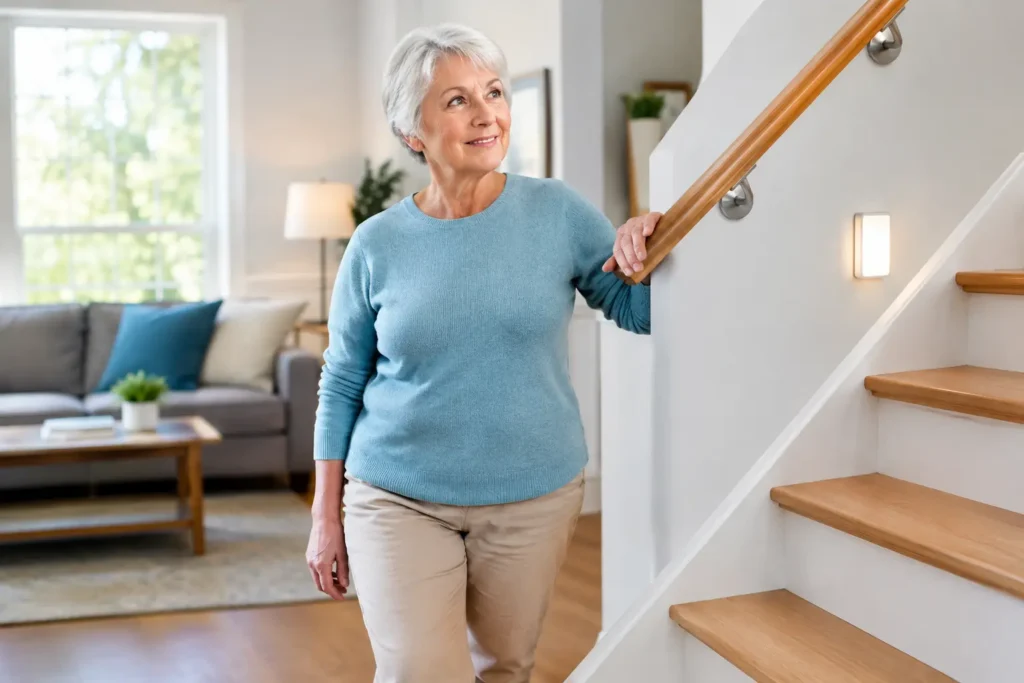
A fall often starts with something that barely registers in a familiar home: a loose rug corner, dim hallway lighting, a shower threshold, or a medication that causes dizziness. The best home safety modifications are not about making a home feel clinical. They are practical changes that help a loved one move through their daily routines with more confidence, privacy, and independence.
For families in Northern Nevada, the right plan depends on the person, the home, and the health concerns involved. An older adult recovering from a hip replacement needs different support than someone living with Parkinson’s disease, low vision, heart failure, or memory loss. Start with the routines that create the most risk, then make changes that meaningfully reduce it.
Start With How Your Loved One Lives at Home
Before purchasing equipment or beginning a renovation, watch how everyday tasks are actually done. Is your parent steady when getting out of bed at night? Do they hold onto the towel bar while stepping into the shower? Are stairs avoided because they are tiring, painful, or frightening? These details point to the modifications that will help most.
A home safety assessment should consider mobility, balance, vision, hearing, strength, cognition, medications, and the layout of the home. It should also account for the caregiver’s needs. If a spouse is helping with transfers, bathing, or medication reminders, the environment needs to protect both people from injury and strain.
A physician, nurse, physical therapist, occupational therapist, or experienced care coordinator can help identify risks that families may not recognize. For example, a walker may be the right mobility aid, but it becomes less useful if narrow pathways, cords, or low furniture make it hard to use safely.
Best Home Safety Modifications for Fall Prevention
Falls are not an inevitable part of aging, but they are often the clearest sign that a home or care routine needs attention. Prevention works best when small environmental changes are paired with clinical guidance, strength and balance support, and a review of medications that may affect alertness or blood pressure.
Clear the walking paths
Rooms should have wide, predictable routes between the bed, bathroom, kitchen, and favorite chair. Remove small throw rugs or secure them with non-slip backing. Relocate electrical cords, pet bowls, footstools, magazine racks, and other items that can catch a foot or walker.
Pay close attention to clutter that accumulates gradually. A box left near the stairs or a laundry basket in the hallway can become hazardous when someone is tired, rushing to the bathroom, or navigating with reduced vision.
Improve lighting where it matters most
Brighter lighting is one of the simplest high-impact changes, particularly in hallways, staircases, entryways, and bathrooms. Use easy-to-reach switches at both ends of a hallway or staircase. Motion-sensor night-lights can make overnight bathroom trips safer without requiring someone to search for a switch in the dark.
Avoid lighting that creates glare or deep shadows. For a person with macular degeneration, cataracts, or other vision changes, even a shiny floor or sudden transition from bright to dark can affect depth perception.
Make stairs and entrances more secure
Stairways need sturdy handrails that are easy to grip, ideally on both sides. Steps should be well lit and free from loose carpeting. If a loved one has begun avoiding stairs or cannot manage them consistently, a first-floor sleeping arrangement may be safer than asking them to push through a difficult daily climb.
At exterior doors, address uneven walkways, icy patches, loose pavers, and poor lighting. Northern Nevada weather can create real slip hazards, especially during freezing conditions. A stable railing, non-slip surface, and a place to sit while managing shoes or packages can make coming and going much safer.
Create a Safer Bathroom Without Sacrificing Dignity
Bathrooms combine hard surfaces, water, tight spaces, and frequent transfers from standing to sitting. They deserve priority in nearly every home safety plan.
Grab bars should be professionally installed into wall studs near the toilet and inside the bathing area. Towel bars are not designed to support body weight. A raised toilet seat or toilet safety frame may also make standing easier for someone with arthritis, weakness, or limited hip movement.
For bathing, a shower chair and handheld showerhead can reduce the need to stand on a wet surface. Non-slip flooring or a secure non-slip mat is helpful, but it should lie completely flat and be cleaned regularly. For someone who has difficulty stepping over a tub wall, a walk-in shower may be worthwhile. That is a larger investment, so it makes the most sense when the person’s mobility needs are likely to continue or increase.
Privacy matters here. Safety equipment should support a person’s ability to bathe with as much independence as possible, rather than automatically replacing every task with caregiver assistance.
Adapt the Bedroom, Kitchen, and Living Areas
The bedroom should support safe transfers and restful sleep. The bed should be at a height that lets the person sit with both feet on the floor and stand without excessive effort. A stable bedside lamp, clear route to the bathroom, and a phone or emergency call device within reach are sensible protections. Avoid relying on unstable bedside tables for support.
In the kitchen, place frequently used dishes, food, and appliances between waist and shoulder height. A sturdy chair with arms can provide a place to rest during meal preparation. Consider automatic shutoff devices for people who may forget a burner is on, but recognize that these tools do not replace supervision when memory changes are significant.
Living rooms often need fewer major changes, but furniture placement matters. Chairs should be firm enough to rise from comfortably, with arms for support when needed. Remove low tables or decorative items that block common pathways. If oxygen tubing, mobility equipment, or medical supplies are present, create an organized location for them so they do not become tripping hazards.
Use Technology Thoughtfully
Technology can add reassurance, especially for families who cannot be in the home every day. Medication dispensers, video doorbells, medical alert systems, fall-detection devices, and stove shutoff tools can be useful additions to a care plan.
However, the right device depends on the person’s abilities and preferences. A complicated alert system may not help someone with memory impairment who cannot remember how to use it. Fall detection is helpful, but it may not recognize every fall or replace regular check-ins. Choose simple tools, test them together, and make sure a trusted person is available to respond.
For some families, the most effective safety measure is not a device. It is consistent support from a caregiver who notices changes in balance, appetite, mood, mobility, or confusion early enough to act.
Match Modifications to Changing Health Needs
Home modifications should change as a loved one’s condition changes. After a hospitalization, temporary weakness or new medication side effects may create risks that were not present before. A person who once managed safely alone may need short-term help with bathing, meals, transportation, or therapy exercises while recovering.
This is where coordinated care can make a meaningful difference. At Comprehensive Home Health Solutions, physician-led home health, personal care support, and patient advocacy can work together to help families understand what is changing and what support is appropriate. Rather than making isolated decisions about equipment or care, families can build a plan around the person’s medical needs, daily function, and goals.
Do not wait for a serious fall to begin. If your loved one is grabbing furniture to walk, skipping showers because the bathroom feels unsafe, or becoming less steady after an illness, those are reasons to reassess the home now. A few well-chosen changes can protect more than physical safety – they can preserve the confidence that makes home still feel like home.