
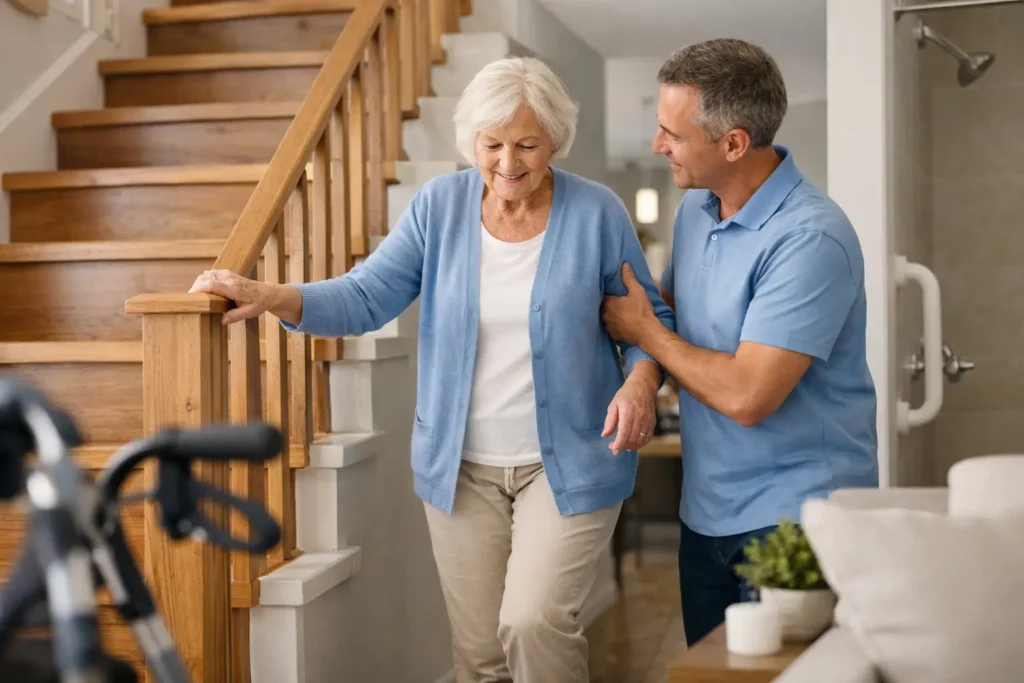
A missed step on the stairs, a medication mix-up, or a quiet change in balance can turn an ordinary week into a hospital stay. For many families, that is the moment the question becomes urgent: how to age in place safely without giving up the comfort, familiarity, and independence of home.
The good news is that aging in place can be both realistic and safe when the plan goes beyond grab bars and good intentions. It works best when families look at the whole picture – the home itself, daily routines, medical needs, mobility, nutrition, and the support available when circumstances change.
What aging in place safely really means
When people talk about staying at home, they often focus on location. Safety is really about function. A person may be living in the same house they have loved for years, but if bathing has become risky, medications are getting missed, or getting to follow-up appointments is difficult, the home is no longer supporting their health the way it should.
That is why learning how to age in place safely starts with an honest assessment. Can your loved one move around the home without rushing or losing balance? Are meals consistent and nutritious? Is there a plan if memory problems worsen or a chronic condition flares up? Independence matters, but unsupported independence can quickly become unsafe.
For some people, the answer is a few home modifications and occasional help. For others, the safer path includes personal care, skilled nursing, therapy, or care coordination. It depends on the person, their diagnosis, and how much support family can realistically provide.
How to age in place safely starts with the home
Most preventable injuries at home do not come from dramatic accidents. They come from familiar spaces that no longer match a person’s strength, vision, or reaction time. A safe home should reduce strain and remove hazards without making the person feel like they have lost control of their environment.
Start with the basics. Walkways should be clear, rugs secured or removed, and lighting improved in bedrooms, bathrooms, hallways, and entry points. Stairs need stable handrails, and bathrooms often need the most attention because they combine slippery surfaces with transfers, bending, and fatigue.
A safer bathroom may include grab bars near the toilet and shower, a shower chair, a handheld shower head, and non-slip flooring or mats that do not bunch up. In the bedroom, the bed height should make it easy to sit and stand without strain. In the kitchen, frequently used items should be easy to reach so no one is climbing on stools or bending repeatedly.
Not every home needs a major remodel. In fact, some of the most effective changes are simple. Better lighting, lower thresholds, a more supportive chair, and moving daily essentials to one level of the home can make a meaningful difference. The right setup depends on mobility, vision, endurance, and whether the person uses a walker, cane, or wheelchair.
Health needs matter as much as home safety
A house can be perfectly organized and still not be safe if health concerns are unmanaged. Many older adults are balancing several conditions at once, such as diabetes, heart disease, arthritis, COPD, or early cognitive decline. Each condition affects daily life differently, and together they can create real risk.
Medication management is one of the biggest issues families overlook. If prescriptions have changed after a hospitalization, if side effects are causing dizziness, or if a person is taking the wrong dose at the wrong time, falls and medical setbacks become much more likely. The same is true when follow-up care is missed or symptoms go unreported because no one wants to be a burden.
This is where physician-directed home health and coordinated oversight can make a major difference. Skilled nursing, therapy, and medical social services can help families understand what is changing, what is expected during recovery, and when a new symptom needs prompt attention. If someone is recovering from surgery or a hospital stay, aging in place safely often requires a short-term clinical plan, not just family goodwill.
Daily routines are often the first warning sign
Families do not always notice decline through medical charts. They notice it in the day-to-day details. Laundry piles up. Bills go unpaid. Meals become smaller or less frequent. A once-social parent stops leaving the house. These changes may seem minor, but they often point to fatigue, depression, pain, cognitive changes, or trouble managing everyday tasks.
That is why non-medical support is not a small thing. Help with bathing, dressing, meal preparation, housekeeping, companionship, and transportation can be the difference between coping and crisis. It protects dignity while reducing the physical and emotional load on family caregivers.
There is also an important trade-off to recognize. Some families wait too long to bring in support because they worry it means giving up independence. In reality, the right kind of help can preserve independence longer. A few hours of assistance each week may prevent exhaustion, falls, malnutrition, or missed appointments that lead to bigger problems later.
How to age in place safely when family is overwhelmed
Even close, committed families can hit a wall. Adult children may be juggling work, kids, and frequent calls from doctors’ offices. A spouse may be trying to manage care while dealing with health issues of their own. Stress builds quickly when everyone is trying to coordinate services from different places without a clear plan.
This is where advocacy and care coordination become essential. Families often need more than care. They need guidance. They need someone who can help them understand discharge instructions, connect the dots between providers, track changing needs, and make sure the plan at home is realistic.
You’re in the right place when you stop trying to solve everything alone. A coordinated approach can reduce confusion and help families make better decisions earlier, before a manageable situation becomes an emergency. For many households, that clarity is just as valuable as hands-on care.
Watch for the signs that the plan needs to change
Aging in place safely is not a one-time checklist. Needs change, sometimes slowly and sometimes all at once. A home setup that worked six months ago may no longer be enough after a fall, a new diagnosis, or a hospitalization.
Pay attention to changes in walking, transfers, memory, appetite, hygiene, sleep, mood, and medication adherence. Notice whether your loved one is becoming more isolated or less confident doing things they once handled easily. Also pay attention to the caregiver. Burnout, interrupted sleep, and constant worry are signs that the support plan may be too thin.
The goal is not to wait until home is no longer possible. The goal is to strengthen the support around the person early enough that home remains safe and sustainable.
Building a plan that fits the person
The most effective aging-in-place plans are customized. A retired couple in Reno managing one chronic condition will need something very different from an adult child helping a parent with mobility issues after a hospital discharge in Carson City. There is no single formula, which is why cookie-cutter advice often falls short.
A strong plan usually answers a few practical questions. What help is needed every day, and what help is needed only sometimes? Which needs are medical, and which are personal or household-related? Who is monitoring for changes? What happens if the primary family caregiver is unavailable for a few days or burns out completely?
When those questions are answered clearly, families can move forward with more confidence. Comprehensive Home Health Solutions is built around that kind of whole-person planning, bringing non-medical support, physician-directed home health, and advocacy together so families are not forced to piece everything together on their own.
Aging in place should feel secure, not precarious. If home is still the right setting, the next step is not to hope for the best. It is to put the right support in place so your loved one can keep living there with greater safety, comfort, and peace of mind.